Recently appointed C-suite leader with a non-visible disability:
“I know I should be grateful for this promotion. I can’t let on that I’m struggling with the transition.”
Mid-career leader with a spinal lesion:
“I can’t ask for adjustments. I’m just grateful to have been given this opportunity. I can’t afford to be seen as ungrateful.”
New graduate living with neurodiversity:
“I should be grateful to have a job at all. I can’t ask for more support.”
Sadly, these are real comments from real coaching conversations.
Early career me, grappling with how to manage my career with vision impairment:
“Don’t ask for help. Don’t express your needs. Don’t admit your self-doubt. Work harder. Be better than they expect. Better than everyone else. Don’t rock the boat. Don’t draw attention to yourself. Above all, be grateful for the chance.”
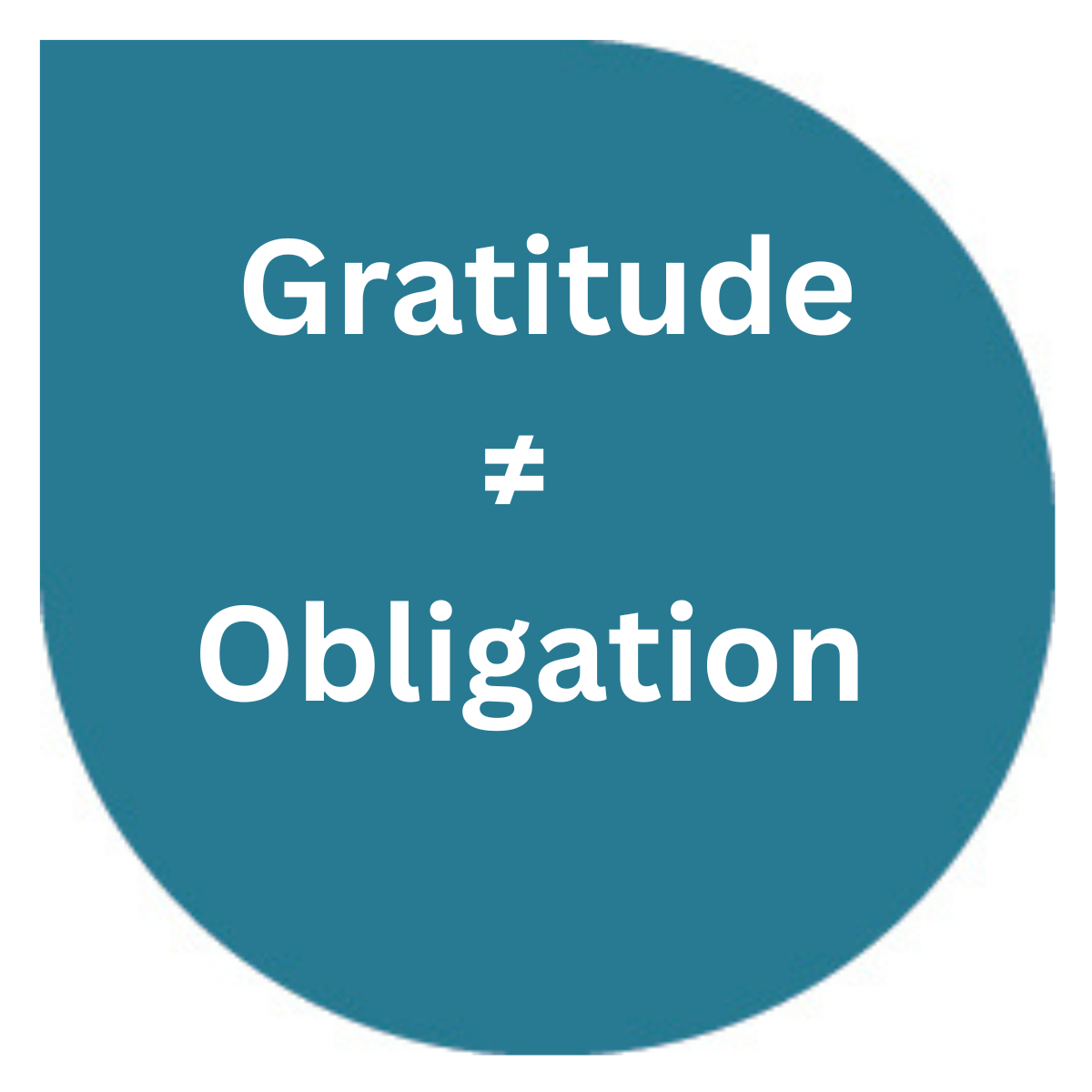
Gratitude is a powerful practice. It can increase positivity, engagement and performance. But gratitude becomes unhelpful when it turns into obligation.
When we believe we must repay an opportunity by staying silent about our needs, gratitude can fuel perfectionism, fear of failure, and a reluctance to seek support. It can keep talented people playing small and prevent them from reaching their full potential.
We can be grateful for the opportunities we’ve been given AND still ask for what we need.
We can appreciate the support we’ve received AND still expect reasonable adjustments.
We can value our role AND still advocate for our success.
The two are not mutually exclusive.
Having spent much of my own career learning this lesson, I know how exhausting it can be to carry these thoughts alone.
If you’re finding yourself working harder, staying quieter, or asking less of others than you need because you feel you should simply be grateful for the opportunity, coaching can provide a safe space to explore a different way forward. Feel free to reach out if you’d like to talk.